
Pure Desi Goodness Delivered Across Pakistan

Author: admin

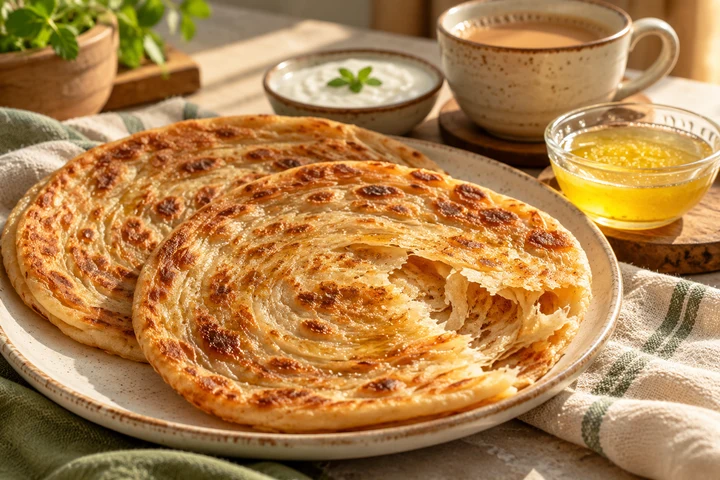
  • How to Make a Crispy Desi Ghee Paratha at Home

    October 27, 2026

    How to Make a Crispy Desi Ghee Paratha at Home

    A crispy, flaky paratha is a favourite breakfast choice in many Pakistani households. Served with chai, yogurt, omelette or a simple cup of milk, a freshly cooked paratha brings traditional flavour to the breakfast table.

    One ingredient that gives paratha its distinctive taste and aroma is desi ghee. If you want to prepare a homemade desi ghee paratha, this easy recipe will guide you through the ingredients, preparation and cooking process.

    Ingredients for Desi Ghee Paratha

    You will need:

    • 2 cups whole wheat flour (atta)
    • Approximately ¾ cup water, added gradually
    • ½ teaspoon salt, or to taste
    • 2–3 tablespoons desi ghee, as needed
    • A little extra flour for rolling

    The amount of water may vary depending on the flour you use.

    Step 1: Prepare the Dough

    Add whole wheat flour and salt to a mixing bowl. Gradually add water and knead until a soft, smooth dough forms.

    Cover the dough and let it rest for 15–20 minutes. Resting helps the dough become easier to roll and handle.

    Step 2: Roll the Paratha

    Divide the dough into equal-sized balls. Roll one ball into a thin circle using a rolling pin.

    Spread a thin layer of desi ghee over the surface. Fold the dough into layers or roll it into a spiral to create the flaky texture commonly associated with layered parathas.

    Dust lightly with flour and roll again without pressing too hard.

    Step 3: Cook with Desi Ghee

    Heat a tawa or flat pan over medium heat. Place the rolled paratha on the hot surface and cook until small bubbles appear.

    Flip it over and spread a little desi ghee on the cooked side. Flip again and apply a small amount of ghee to the other side.

    Cook both sides until golden spots appear and the paratha becomes crisp. Adjust the heat as needed to ensure the inside cooks properly without burning the outside.

    Tips for a Crispy and Flaky Paratha

    Use soft dough: Dough that is too dry can make the paratha tough.

    Allow resting time: Resting makes the dough easier to roll.

    Create layers: Spreading ghee between folds helps create a flaky texture.

    Avoid excessive heat: Very high heat may brown the outside before the inside is properly cooked.

    Serve fresh: Parathas generally taste best when served hot and freshly prepared.

    Desi Ghee vs Other Cooking Fats for Paratha

    Desi ghee is traditionally used in many Pakistani kitchens for its rich flavour and aroma. Other cooking fats can also be used, depending on personal preference and dietary requirements.

    The best choice depends on your cooking needs, taste preferences and overall dietary pattern. Remember that ghee is rich in saturated fat, so portion size matters.

    What Should You Look for When Buying Desi Ghee?

    When choosing desi ghee for everyday cooking, consider the following:

    • Check the ingredient list and product description.
    • Look for clear manufacturer and packaging information.
    • Review available quality documentation and applicable food-safety certifications.
    • Choose packaging that is properly sealed and labelled.
    • Follow the storage instructions provided on the product.

    Colour, aroma and texture alone cannot reliably establish whether a product is pure. Look for credible quality information rather than relying only on traditional home tests.

    Enjoy Traditional Flavour with Desi Roots

    A homemade paratha is a simple way to bring traditional Pakistani flavours to your breakfast table. With a few basic ingredients and the right cooking technique, you can prepare a golden, flaky paratha in your own kitchen.

    If you are looking for desi ghee for your everyday cooking, explore the Desi Roots Desi Ghee collection and review the available product details before choosing the right pack for your household.

    Make your next breakfast a little more traditional with Desi Roots.
  • How to Make Traditional Pakistani Panjiri with Desi Ghee

    October 27, 2026

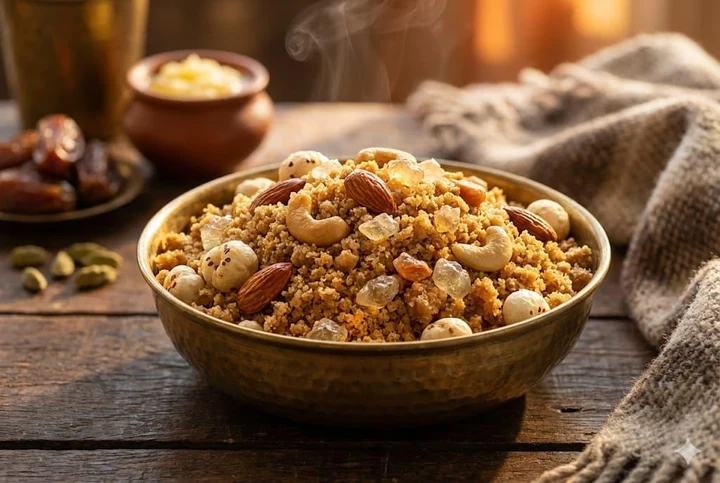
    How to Make Traditional Pakistani Panjiri with Desi Ghee

    Panjiri is a traditional Pakistani sweet made with roasted whole wheat flour, desi ghee, nuts and aromatic ingredients. It is commonly prepared at home during winter and enjoyed as a homemade treat with milk or tea.

    The secret to delicious panjiri lies in slowly roasting the flour, balancing the ingredients and allowing the mixture to develop a rich, nutty aroma. In this guide, you will learn how to make traditional panjiri at home using simple ingredients.

    Ingredients for Homemade Panjiri

    To prepare a traditional batch of panjiri, you will need:

    • 2 cups whole wheat flour (atta)
    • ¾ cup desi ghee, approximately, as needed
    • ½ cup powdered sugar, or to taste
    • ¼ cup almonds, chopped
    • ¼ cup cashews, chopped
    • 2 tablespoons pistachios, chopped
    • 2 tablespoons raisins
    • 2 tablespoons desiccated coconut (optional)
    • ½ teaspoon ground cardamom

    You can adjust the quantity of nuts and sweetness according to your preference.

    Step 1: Roast the Nuts

    Heat a small amount of desi ghee in a pan over low heat. Lightly roast the almonds, cashews and pistachios until fragrant.

    Add the raisins briefly, then remove everything from the pan and set aside. Avoid overheating the nuts, as they can burn quickly.

    Step 2: Roast the Whole Wheat Flour

    Add the remaining desi ghee to a heavy-bottomed pan and gradually stir in the whole wheat flour.

    Cook over low to medium-low heat, stirring continuously to prevent the flour from sticking or burning. Continue roasting until the flour develops a light golden-brown colour and a rich, nutty aroma.

    This step is essential for achieving the characteristic taste and texture of traditional panjiri. Take your time rather than increasing the heat to speed up the process.

    Step 3: Add the Remaining Ingredients

    Once the flour is properly roasted, remove the pan from the heat and allow the mixture to cool until warm.

    Add the roasted nuts, raisins, cardamom and optional desiccated coconut. Mix everything thoroughly so the ingredients are evenly distributed.

    Step 4: Add the Sugar

    Allow the mixture to cool further before adding powdered sugar. Mixing sugar into a very hot mixture can affect its texture.

    Stir well until the sweetness is evenly distributed. Taste a small amount and adjust the sugar if needed.

    Your homemade panjiri is now ready to serve.

    Tips for Making Delicious Panjiri

    Roast slowly: Low heat helps the flour cook evenly and develop a pleasant aroma.

    Stir continuously: This reduces the risk of burnt flour and uneven cooking.

    Use fresh ingredients: Fresh nuts and good-quality flour contribute to better flavour.

    Adjust the ghee gradually: Add it according to the flour’s texture and your preferred consistency.

    Cool before storing: Let the panjiri cool completely before transferring it to a clean, dry, airtight container.

    How to Store Homemade Panjiri

    Store panjiri in a clean, airtight container in a cool, dry place. Always use a dry spoon and avoid introducing moisture into the container.

    Its shelf life depends on the freshness of the ingredients, preparation conditions and storage environment. For longer storage, refrigeration may be suitable, particularly in warm or humid weather.

    Check the smell, appearance and texture before serving, and discard the mixture if you notice signs of spoilage.

    Why Is Desi Ghee Used in Traditional Panjiri?

    Desi ghee is a traditional ingredient in many South Asian recipes, including panjiri, halwa and paratha. It contributes a rich flavour and helps carry the aroma of roasted flour, nuts and spices.

    When choosing desi ghee for homemade recipes, check the ingredient list, product labelling, manufacturer information and available quality documentation.

    Although desi ghee is widely used in traditional cooking, it is rich in saturated fat. Enjoy panjiri in portions that suit your overall dietary needs.

    Enjoy Traditional Recipes with Desi Roots

    Traditional recipes bring familiar flavours to everyday meals, and homemade panjiri is a wonderful example of simple ingredients coming together.

    Whether you prepare it for a family gathering, a winter treat or an everyday snack, careful roasting and good-quality ingredients can make a noticeable difference.

    Looking for desi ghee for your kitchen? Explore the Desi Roots Desi Ghee collection and review the available product details to choose a pack that suits your cooking needs.

    Bring the taste of traditional Pakistani cooking to your home with Desi Roots.

  • Hello world!

    Welcome to WordPress. This is your first post. Edit or delete it, then start writing!